Corporate thrillers
Find corporate thrillers, financial crime dramas, startup suspense, and business-empire shows with tolerance guidance.
Corporate thrillers work when a business decision starts feeling like a threat: a bank cover-up, a startup lie, a media empire feud, a pharmaceutical scandal, or a boardroom choice that ruins actual lives. ShowFrog keeps this shortlist broader than finance alone because the useful split is not just industry, but pressure type. Some picks are fraud engines with little physical violence. Some are workplace pressure cookers where sex, drugs, reputation, or public humiliation carry the stress. A few are darker empire stories where business power overlaps with murder, terrorism, or revenge. Use the violence/gore grouping as a quick tolerance check, then read each note for the real reason to choose carefully: whether the show is slick and compulsive, emotionally punishing, slow and institutional, or more historical-crime outlier than clean business suspense. That distinction matters because a low-gore business story can still be a brutal watch when the harm is medical, legal, reputational, or psychological.
Corporate pressure with lower graphic impact
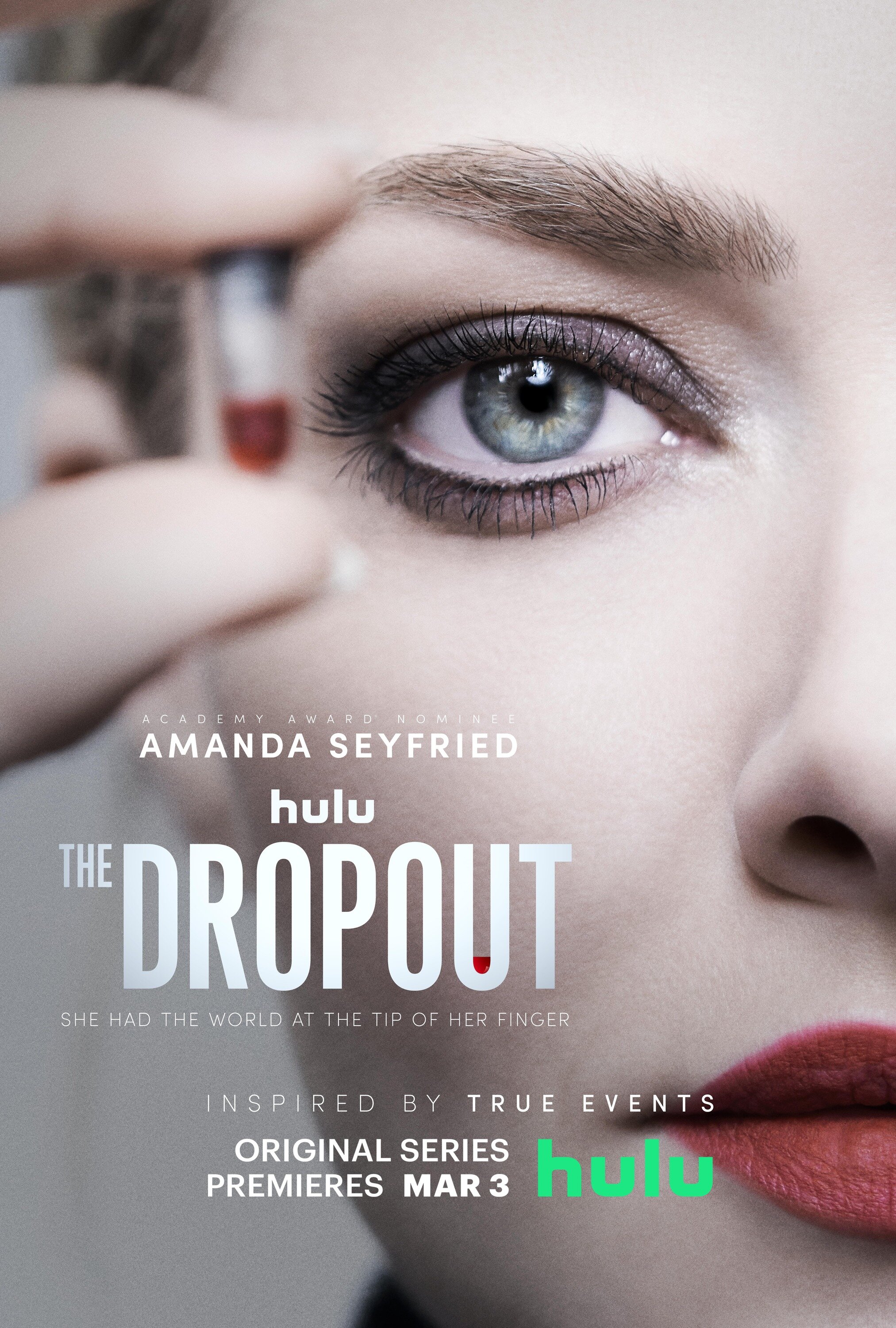




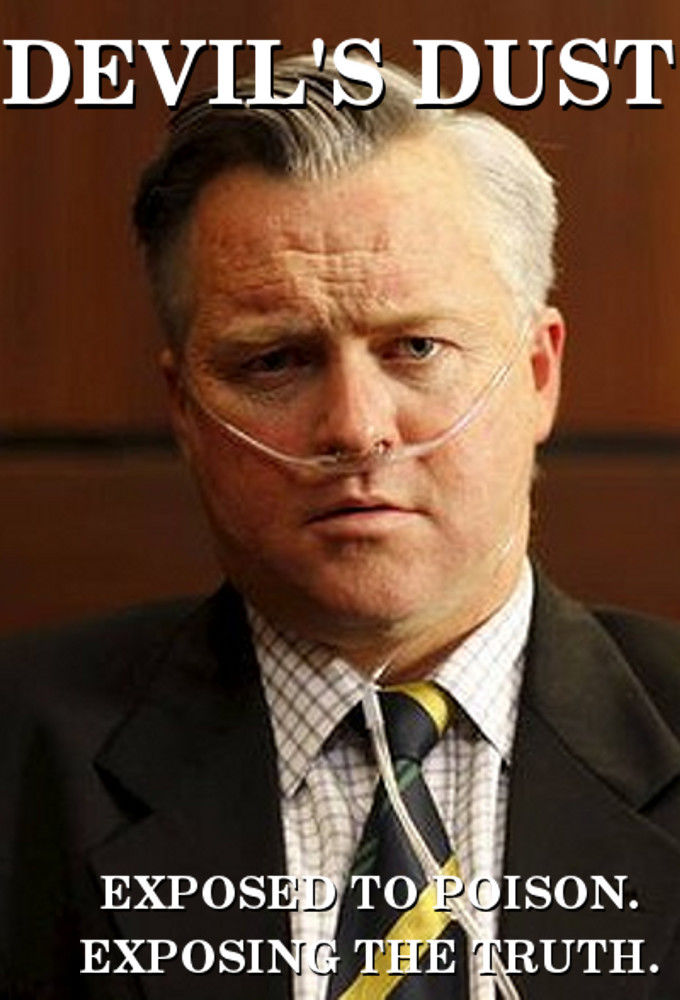
Business scandals with sharper stress
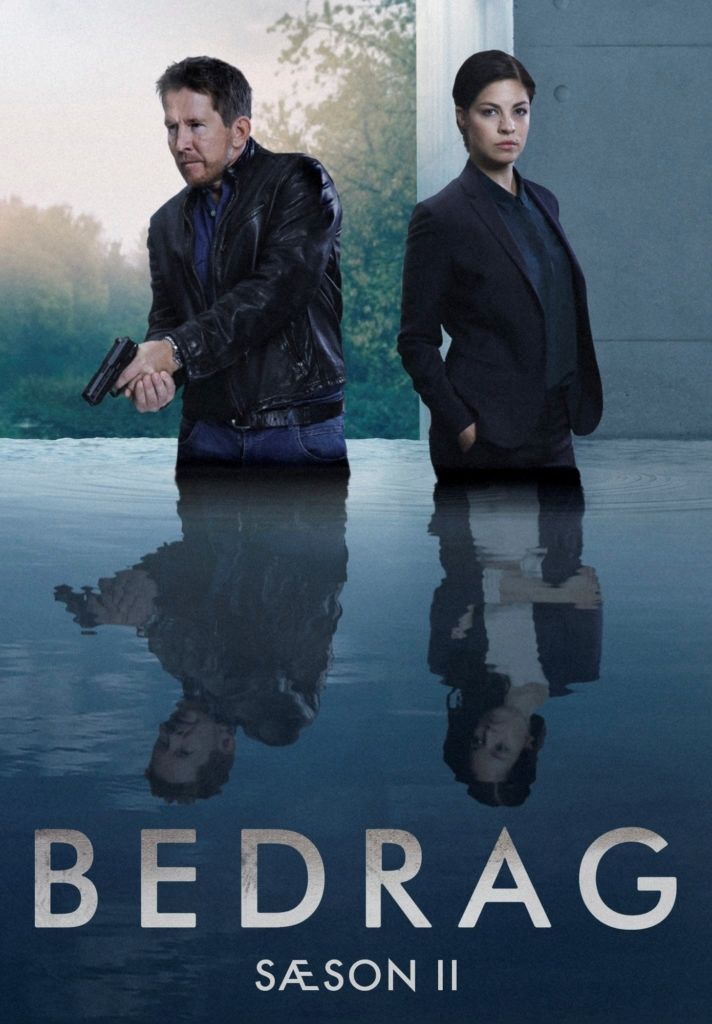
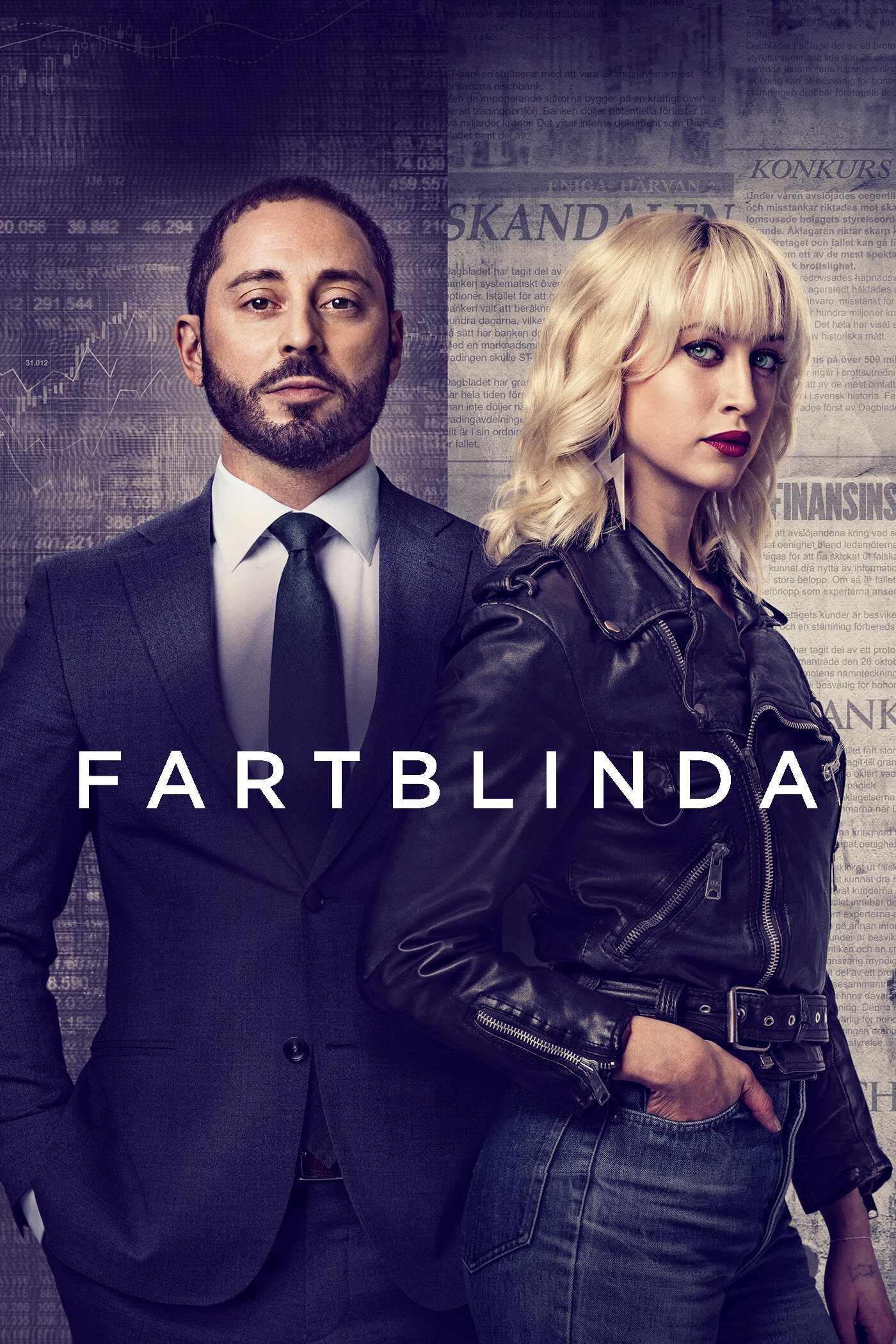



Corporate power crossing into brutality

Common questions
What makes a corporate story suspenseful?
The suspense usually comes from leverage: investors being deceived, executives hiding risk, employees trapped inside a toxic culture, regulators closing in, or a company decision hurting people outside the boardroom. The best picks make business power feel personal, consequential, and hard to escape.
Are these less graphic than crime thrillers?
Often, but not always. Fraud and finance stories may avoid graphic bodies, yet still include illness, suicide, assault, addiction, sexual misconduct, or terror pressure. ShowFrog keeps the graphic level visible while the show note explains what kind of stress replaces it.
Which picks are the heaviest emotionally?
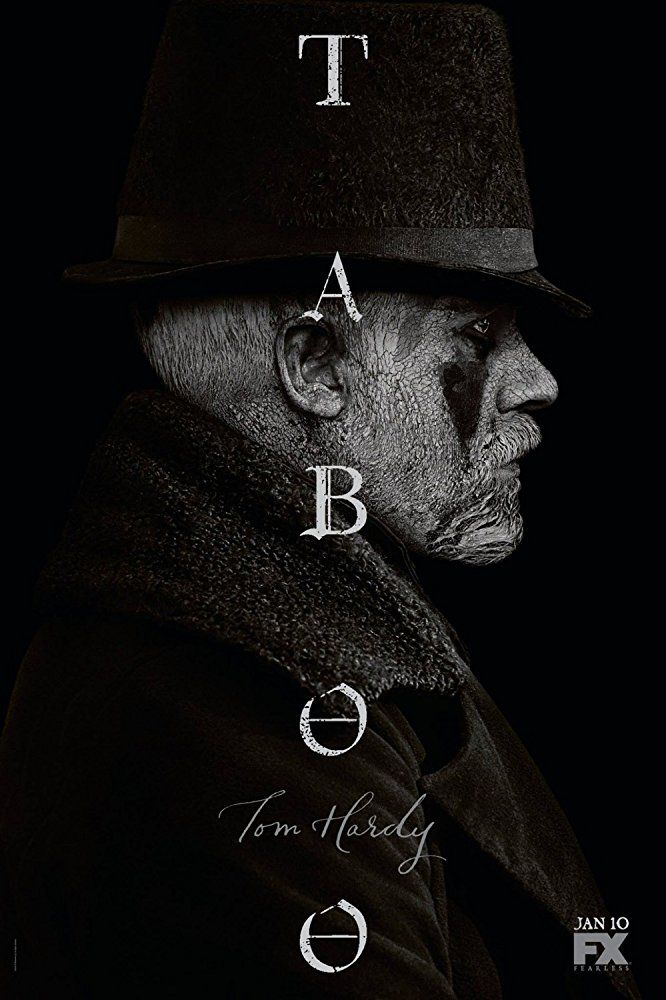
Dopesick, Devil's Dust, Apple Cider Vinegar, Industry, and Taboo need more caution than the business label suggests. They lean on addiction, illness, abuse, toxic work culture, or brutal empire conflict rather than simple spreadsheet suspense, so the lower-gore picks are not automatically easy.