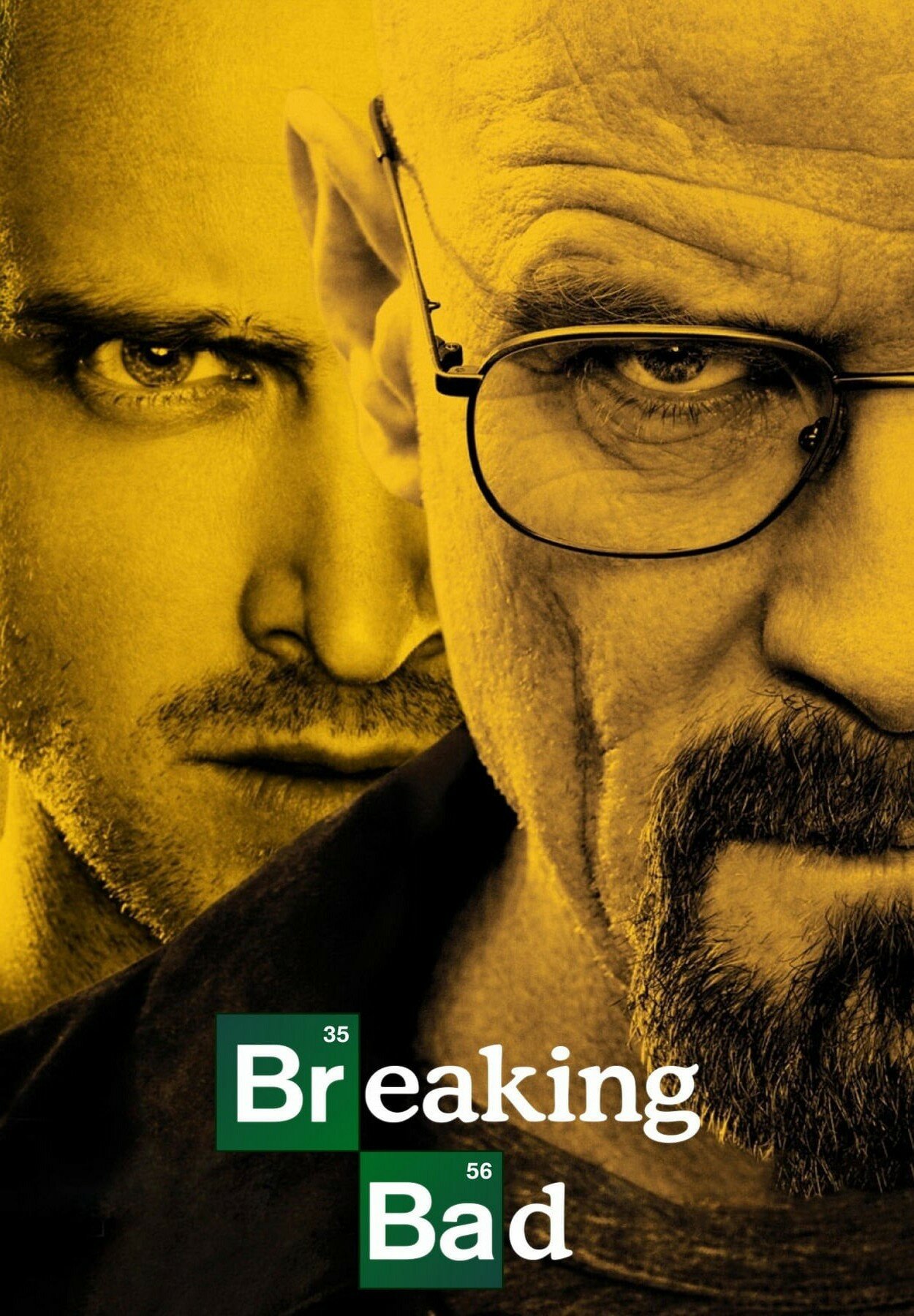
Breaking Bad
Breaking Bad follows protagonist Walter White, a chemistry teacher who lives in New Mexico with his...
Original source and availability.
What the show is about.
...wife and teenage son who has cerebral palsy. White is diagnosed with Stage III cancer and given a prognosis of two years left to live. With a new sense of fearlessness based on his medical prognosis, and a desire to secure his family's financial security, White chooses to enter a dangerous world of drugs and crime and ascends to power in this world. The series explores how a fatal diagnosis such as White's releases a typical man from the daily concerns and constraints of normal society and follows his transformation from mild family man to a kingpin of the drug trade.
How stressful it gets.
Every ShowFrog title carries an overall stress level based on how intense the show gets. Breaking Bad lands at high stress.
Format, pacing, and ending.
Verdict box
The verdict: Breaking Bad is one of the easiest shows to recommend on craft and one of the hardest to soften on tolerance. The High warning comes from frequent drug-crime violence: shootings, threats, beatings, explosions, poisonings, corpses, knife danger, domestic violence, captivity, torture aftermath, and family terror. It is not always gratuitously gory, but it is designed to become more morally and emotionally punishing as Walter White's choices tighten around everyone else.
ShowFrog Editor's Read
- Why it became enormous: Variety places Breaking Bad among the great TV dramas, and Common Sense Media supports the same core appeal: gripping writing, complex characters, and momentum that makes the crime tragedy unusually bingeable.
- Why the praise matters: Strong writing, performances, escalation, and a planned endpoint make the violence feel consequential rather than random.
- The tolerance caveat: "Not gratuitous" does not mean gentle. The final stretch in particular is emotionally brutal, with horror-inflected dread, family collapse, and violent aftermath.
Why we scored it this way
ShowFrog keeps Breaking Bad in High violence/gore because Common Sense Media supports frequent graphic drug-crime violence, including shootings, threats, beatings, explosions, poisonings, accidental deaths, and corpses. Rolling Stone supports the final-season emotional brutality and horror-inflected terror, while Variety is useful for nuance: death is everywhere, but some of the show's power comes from restraint and aftermath rather than constant onscreen splatter.
The 9/10 stress comes from sustained moral pressure. The show keeps escalating: money, family, cancer, drug violence, pride, fear, and consequences all compound.
Fits you / skip it
- Fits if you want a completed prestige crime drama with exceptional momentum and a definitive ending.
- Fits if you can handle high violence when it is tied to character consequence and moral collapse.
- Skip if drug-crime violence, poisoning, corpses, domestic abuse, or child-death references are wrong for your tolerance.
- Skip if you want thriller pleasure without emotional punishment.
The stress, separated from the gore
The 9/10 stress is not just about the violent incidents. Breaking Bad is stressful because the viewer watches bad choices become irreversible, then watches the blast radius reach people who did not choose them.
Commitment & ending
The series is completed after 5 seasons and 62 episodes. It was built toward a planned conclusion, and the ending is one of the safer choices for viewers who hate unresolved cliffhangers.
If this is too much / not enough
Lower-violence options:
- Sneaky Pete (2015) - Moderate - stress 8/10 - Cancelled with partial closure - con-artist crime momentum with less graphic weight.
- Prime Suspect (1991) - Moderate - stress 8/10 - Completed & resolved - serious crime investigation without the same drug-cartel escalation.
- Rose and Maloney (2002) - Moderate - stress 8/10 - Cancelled - crime-drama pressure in a lower graphic-content lane.
Sharper options:
- Luther (2010) - High - stress 9/10 - TV run ends; franchise continues - darker detective danger with more horror-crime flavor.
- Top of the Lake (2013) - High - stress 9/10 - Cliffhanger risk - high-stress mystery with an even more unsettling atmosphere.
- Power (2014) - High - stress 7/10 - Completed, divisive finale - a faster criminal double-life drama with violence and moral compromise closer to the drug-crime lane.
FAQ
Is Breaking Bad gory?
It can be. The show is High because drug-crime violence, corpses, poisonings, explosions, and aftermath matter. The nuance is that it is often restrained in depiction while still being emotionally and morally brutal.
Can I watch this if I do not like violence?
Probably not. Even if some violence is implied or shown through aftermath, the series repeatedly returns to violent criminal consequence.
Is it worth watching despite the warning?
Yes, if your tolerance allows it. The positive case is unusually strong: writing, performances, momentum, escalation, and a completed endpoint all support why it became a benchmark crime drama.
Can I watch this before bed?
Not if moral dread or family-danger tension keeps you awake. This is compulsive television, but not soothing television.
Does it have a proper ending?
Yes. It is completed and resolved, with a planned final-season endpoint rather than cancellation drift.
Common Sense Media · Variety · Rolling Stone · Netflix · Wayne State University Press
<!-- source: breaking-bad -->
More ShowFrog guides like this
- Banshee keeps fast organized-crime pressure with police-procedural threads and a contained payoff.
- Power follows fast organized-crime pressure through police and procedural pressure.
- Fargo stays with organized-crime pressure but swaps the straight fast drive for a more irregular case rhythm.
- Narcos offers another organized-crime path with police-procedural pressure and more uneven momentum.